
Occupational Health Milsons Point: Occupational Health and Ergonomic Services
%20(1).svg)
.svg)

Occupational Health Milsons Point: Occupational Health and Ergonomic Services
If work is leaving you sore, stiff, or fatigued, small changes can sometimes make a meaningful difference over time. Milsons Point Health provides occupational health Milsons Point services for local businesses and individuals, with a practical focus on safer work habits and sustainable movement. We’re based in Milsons Point and work with people across the Lower North Shore, including Kirribilli and the North Sydney CBD.
Whether you need an ergonomic assessment North Sydney teams can act on, or manual handling training North Sydney workplaces can implement, our approach is evidence-informed, tailored to your work demands, and focussed on clear communication.
What are occupational health and ergonomic services?
Occupational health services support people to participate in work as safely and comfortably as possible. In an allied health setting, this often means looking at the match between:
- The demands of the job (postures, repetition, loads, pace, environment)
- The worker’s current capacity (strength, mobility, fitness, recovery, prior injuries)
- The way tasks are performed (equipment, setup, technique, breaks, scheduling)
Ergonomics is the process of fitting work to the person. An ergonomic assessment reviews how you work (for example, desk setup, tool use, manual tasks, or driving) and identifies practical adjustments that may reduce strain and improve efficiency.
Occupational health may also include education such as manual handling training, guidance for return to work after injury, and exercise-based strategies to build capacity for job demands.
Common signs and symptoms
Work-related discomfort can build gradually and may change throughout the day. It’s worth seeking a professional assessment if symptoms persist, recur, or affect daily activities.
Common issues people raise include:
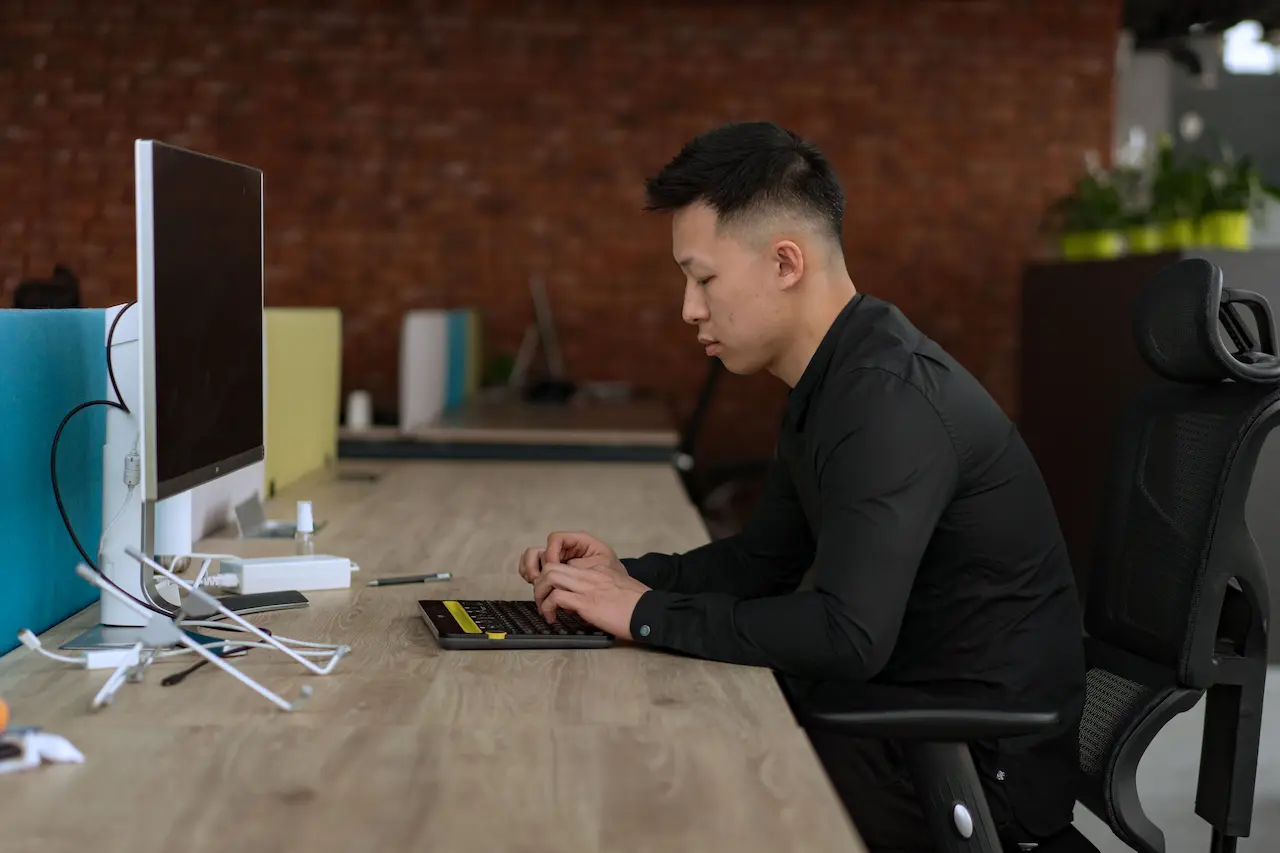
- Neck and upper back stiffness after long periods at a computer
- Headaches that seem linked to posture or sustained screen time
- Shoulder pain with reaching, lifting, or repetitive tasks
- Low back pain with sitting, bending, or manual handling
- Wrist, forearm, or elbow discomfort with mouse/keyboard use or tool work
- Hip, knee, ankle, or foot soreness with prolonged standing or walking
- Pins and needles, numbness, or symptoms that travel into an arm or leg
- Fatigue and muscle tightness that worsens late in a shift
- Symptoms that flare with deadlines, overtime, or reduced breaks
These symptoms can have different causes, so it’s best not to self-diagnose. An assessment helps clarify contributing factors and appropriate next steps.
Why does this happen?
Most workplace pain is influenced by more than one factor. Often it comes down to how much load your body is exposed to, how long you’re exposed to it, and how well you recover.
Common contributing factors at work
- Prolonged static postures (sitting, standing, leaning, sustained reaching)
- Repetition (high-volume typing, scanning, packing, tool use)
- Manual handling demands (lifting, carrying, pushing, pulling, awkward positions)
- Poor task variation (doing the same job for long blocks without rotation)
- Workstation setup issues (chair height, screen position, desk layout, glare)
- Time pressure and reduced break opportunities
- Inadequate conditioning for the role (especially after time off)
Common contributing factors outside work
- Long commutes and reduced general movement
- Limited sleep and recovery
- Sudden increases in training load (gym, running, weekend sport)
- Previous injuries and ongoing sensitivities
Clinical guidelines often emphasise staying active and building capacity, alongside practical changes to reduce unnecessary strain. The goal is usually to improve the fit between your work demands and what your body can tolerate.

How a physiotherapist / chiropractor may help
At Milsons Point Health, occupational health support is individualised. Depending on your situation, a physiotherapist, chiropractor, or exercise physiologist may contribute to your plan, and we can coordinate care when helpful.
Assessment and workplace review
Your clinician may:
- Take a detailed history of your symptoms and work tasks (what you do, how often, and what aggravates symptoms)
- Assess movement, strength, joint range, and functional tolerance
- Review work setup and task demands (in clinic, via photos/video, or onsite where arranged)
- Identify practical changes that suit your role, equipment, and work environment
For employers, this may also include discussing feasible adjustments and education options for teams.
Ergonomic assessment North Sydney workplaces can apply
An ergonomic assessment may cover:
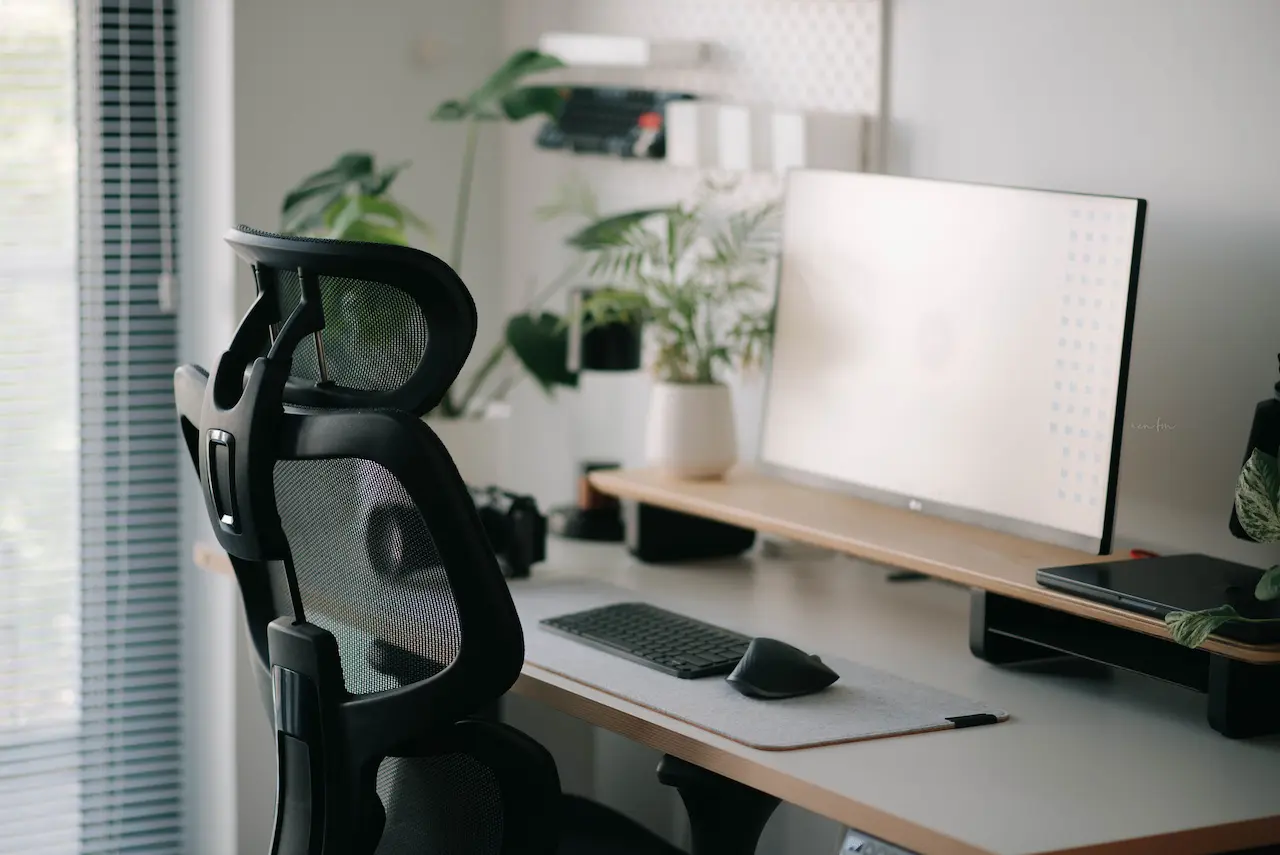
- Desk and chair setup (height, support, keyboard/mouse position)
- Screen placement and visual demands (height, distance, glare management)
- Work habits (break patterns, task switching, posture variety)
- Laptop and hot-desking strategies (simple changes that travel with you)
- Recommendations that are realistic for the North Sydney office environment
Recommendations are typically prioritised so you can implement the highest-impact, low-disruption changes first.
Manual handling training North Sydney teams may benefit from
Manual handling training can support safer, more efficient movement at work. Training is often tailored to the tasks you actually do, and may include:
- Core principles of lifting and carrying (staying close to the load, stable footing, controlled pace)
- Using legs and hips effectively, and avoiding end-range twisting under load
- Handling awkward objects (size, shape, grip limits)
- Team lifts, equipment use, and when to escalate for help
- Fatigue and pacing strategies for physically demanding shifts
Training doesn’t replace good systems and appropriate equipment, but it can complement workplace processes and reduce unnecessary strain.
Exercise-based care and capacity building
Exercise is commonly used in occupational health to improve tolerance for work demands. Depending on your role, a program may include:
- Strength and endurance for trunk, hips, shoulders, and grip
- Mobility work to support comfortable movement through the day
- Work-simulation drills (lifting patterns, carries, reaching tasks) progressed gradually
- Conditioning to build general fitness for physically demanding roles
Exercise physiology can be helpful when you want structured gym programming, conditioning plans, or support maintaining progress long term.

Hands-on care (when appropriate)
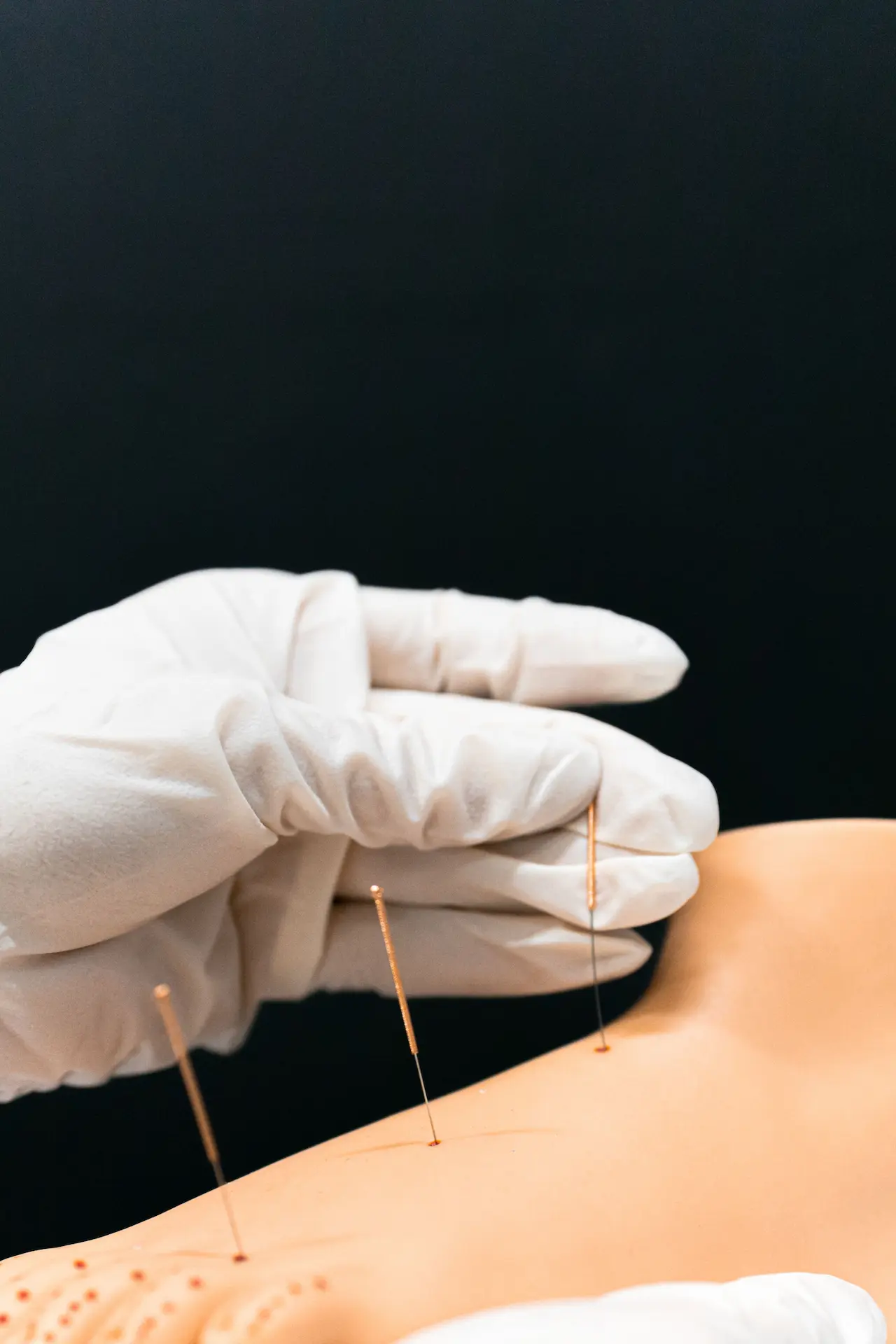
Some people find hands-on treatment helpful for short-term symptom relief or to assist movement early on. This may include soft tissue techniques, joint mobilisation, or other approaches suited to your presentation. Hands-on care is typically used alongside education, exercise, and workplace adjustments.
Self-care tips that may help
These general tips are intended to be safe for most people, but they may not suit everyone. Seek professional advice if symptoms are severe, worsening, or persistent.
- Break up sustained postures with brief movement every 30–60 minutes (stand, walk, gentle mobility)
- Set up your workstation so you can vary posture (alternate sitting/standing if possible, keep frequently used items within easy reach)
- Use a lighter grip and relaxed shoulders during computer work; consider keyboard shortcuts to reduce mouse load
- For manual tasks, plan the lift before you start: clear the path, keep the load close, and avoid twisting while holding weight
- Use task variation where possible (swap between different duties to reduce repetition)
- Build a simple strengthening routine 2 times per week to support your job demands (your clinician can tailor this)
- Pay attention to recovery basics (sleep, hydration, regular meals), especially during busy periods
If a task causes sharp pain, increasing nerve symptoms, or significant weakness, pause and arrange an assessment.
When to seek help
Consider seeing a health professional if:
- Symptoms last more than 1–21–21–2 weeks or keep returning with the same tasks
- Pain affects your work performance, sleep, commute, or daily activities
- You notice recurring headaches, arm/leg symptoms, or reduced grip/strength
- You’re relying on frequent pain relief to get through shifts
- You need guidance on suitable task modification or graded return to duties
Seek urgent medical care (or call emergency services) if you experience:
- Severe injury after trauma (falls, heavy impact), suspected fracture, or inability to weight-bear/use the limb
- New or progressive numbness or weakness, or widespread neurological symptoms
- Changes in bowel or bladder function, or saddle numbness
- Chest pain, severe shortness of breath, or sudden severe symptoms that feel unusual for you
If you’re unsure what’s going on, it’s reasonable to start with a GP or an allied health assessment.
Why choose a local clinician in Milsons Point?
Convenience matters when you’re trying to fit care around work and life. Our Milsons Point clinic is close to Kirribilli and North Sydney, making appointments practical for Lower North Shore residents and North Sydney CBD workers.
Milsons Point Health offers:
- One-on-one consultations with clear explanations and practical recommendations
- A multidisciplinary team (physiotherapy, chiropractic, exercise physiology, and occupational health) for coordinated support when appropriate
- Options that consider both the workplace and what happens outside work, including commute time, sport, and recovery
Book an occupational health appointment
If you’re looking for occupational health Milsons Point support, an ergonomic assessment North Sydney businesses can implement, or manual handling training North Sydney teams can use, contact Milsons Point Health in Milsons Point. We can discuss your needs and help you choose the most suitable service or appointment type.

.jpg)

Ready to book an appointment with us?
Visit our Online Bookings page where you can see what times are available and book appointments with all our great Physiotherapists and Chiropractors in Milsons Point. You can also find us and book appointments via HotDoc and HealthEngine.
Rather speak to someone? Simply give us a call on 02 9190 7654 and our friendly receptionists can help you find a time that suits, and answer any questions you might have.


