
Shockwave Therapy Milsons Point – When It May Be Used


Shockwave Therapy Milsons Point – When It May Be Used
If you’ve had a stubborn tendon or heel pain that hasn’t settled with simple rest or stretching, you may have come across shockwave therapy online. At Milsons Point Health in Milsons Point, we offer shockwave therapy Milsons Point appointments as part of a broader physiotherapy plan when it’s clinically appropriate. We’re close to Kirribilli and North Sydney, and we commonly see office workers, local residents, and recreational or club-level athletes from across Sydney’s Lower North Shore.
What is shockwave therapy?
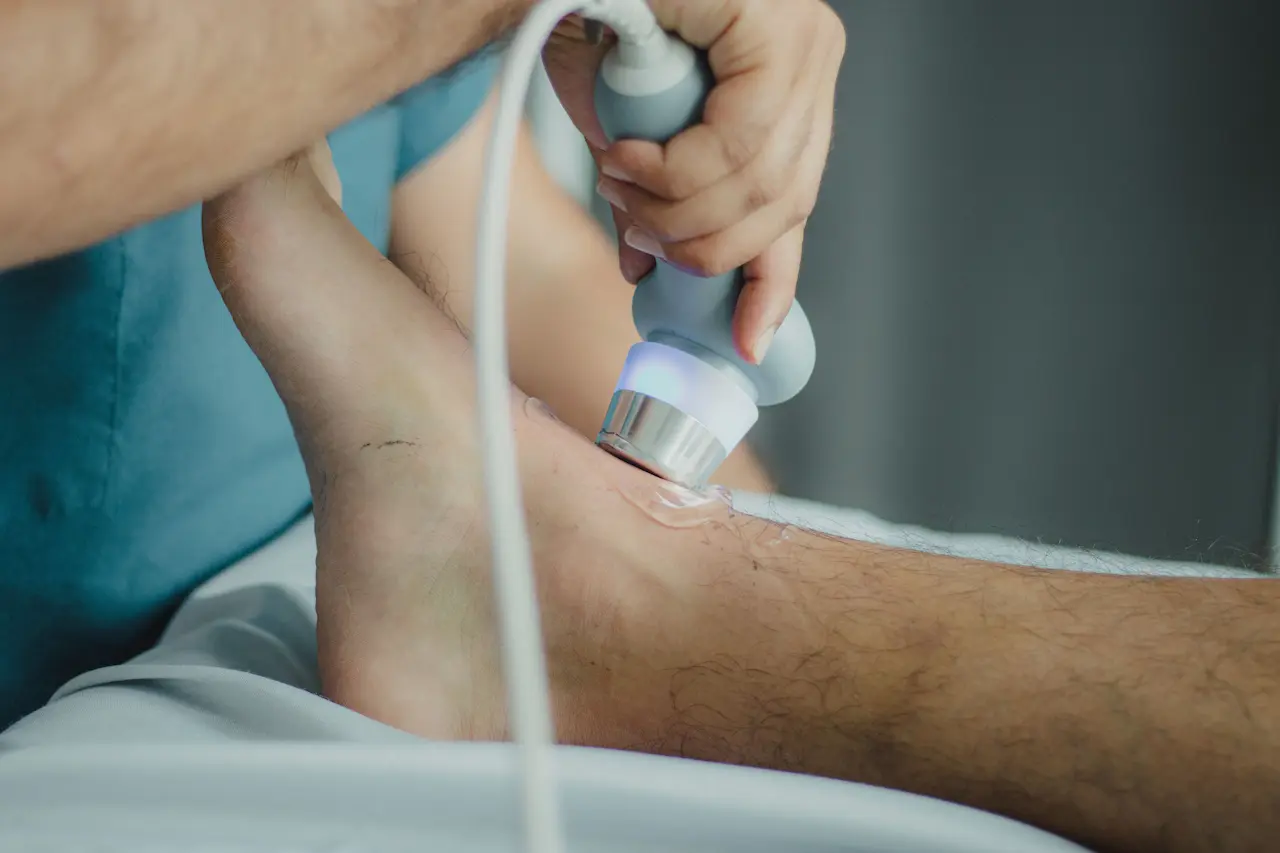
Shockwave therapy (also called extracorporeal shockwave therapy, or ESWT) is a treatment where a handheld device delivers short pulses of mechanical energy to targeted tissue. Despite the name, it’s not an electric shock.
In physiotherapy, shockwave is sometimes used to help manage certain long-lasting tendon or soft-tissue pain conditions. Research suggests it may help in some presentations, particularly when combined with an appropriate loading program (progressive strengthening) and activity modification.
Shockwave therapy is usually one tool in a larger plan. A personalised assessment helps determine whether it suits your symptoms, your health history, and your goals.
Common signs and symptoms
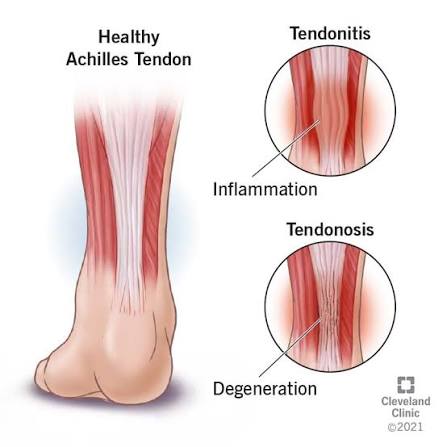
Shockwave is most often discussed for symptoms that behave like persistent tendon or attachment-point pain. You don’t need to self-diagnose—these are general patterns that may warrant an assessment:
- Pain that has lasted for weeks to months and keeps returning with activity
- Localised tenderness at a tendon or where a tendon attaches to bone
- Morning stiffness that eases after moving around, then returns after activity
- Pain that flares with specific loads (running, jumping, stairs, gripping, lifting)
- Symptoms that settle slightly with rest but recur when you increase training or work demands
- Reduced tolerance for sport, long walks, or certain work tasks
If you have significant swelling, sudden loss of function, or severe pain after a specific incident, it’s best to seek prompt assessment to rule out more serious injury.
Why does this happen?
Many issues that may be considered for shockwave relate to how tissue responds to repeated load over time.
Load versus capacity
Tendons and related soft tissues usually adapt when load increases gradually. Symptoms can develop when:
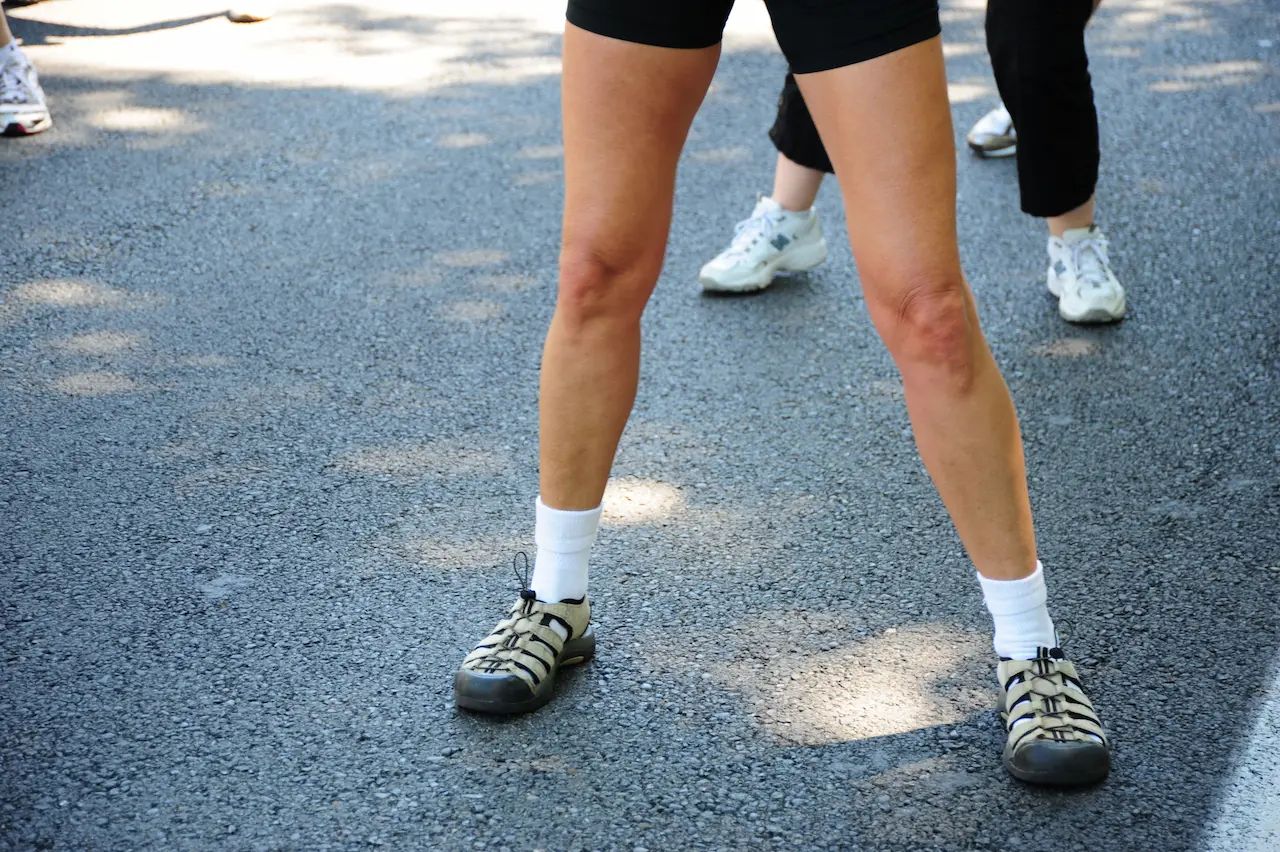
- Training volume or intensity increases too quickly (running, gym, court sports)
- Work demands rise (repetitive lifting, prolonged standing, long shifts)
- Recovery is reduced (sleep, stress, back-to-back sessions)
- A previous injury changes how you move, shifting load to another area
Common contributing factors
- Reduced strength or endurance in key muscle groups
- Sudden changes in footwear, surfaces, hills, or sport schedule
- Limited mobility in nearby joints (for example, ankle stiffness affecting the calf/Achilles)
- Long periods of sitting followed by intense activity (common for North Sydney office workers)
A good plan usually focuses on changing the load story—what the tissue is coping with now, and how to build it up safely.
Shockwave therapy Milsons Point: how a physiotherapist / chiropractor may help
At Milsons Point Health, shockwave is considered after a thorough assessment, not as a default. Your clinician will discuss options, expected sensations, and whether shockwave is appropriate for you.
Assessment first (before choosing a tool)
A physiotherapist may:
- Take a detailed history (timeline, triggers, training/work demands, previous injuries)
- Assess movement, strength, joint mobility, and functional tasks
- Help identify whether symptoms are more consistent with tendon-related pain, joint issues, nerve sensitivity, or other contributors
- Discuss whether imaging or GP review is appropriate in your case
This helps avoid treating the wrong problem with the wrong approach.
When shockwave therapy may be considered
Your clinician might consider shockwave when symptoms are persistent and the clinical picture suggests it could be helpful alongside active rehab. It’s commonly discussed for certain tendon-related conditions (for example, heel pain presentations and some tendinopathies), but suitability depends on your individual assessment and medical history.
Shockwave is not appropriate for every person or every condition, and it’s not a substitute for progressive strengthening and load management.
What a shockwave physio session may involve
A typical shockwave physio appointment may include:
- Explaining the plan and checking relevant precautions
- Locating the most appropriate treatment area through palpation and movement testing
- Applying a gel and delivering pulses for a short period
- Adjusting intensity to a tolerable level (it can be uncomfortable for some people)
- Planning what to do in the next 24–48 hours and how to progress rehab exercises
Some people feel sore afterwards, similar to a post-exercise ache. Your clinician will guide you on what is normal for you and what signs should prompt a review.
Exercise-based rehabilitation (often central to outcomes)
Clinical guidelines commonly recommend active rehab for many musculoskeletal problems. Your plan may include:
- Progressive strengthening (often the cornerstone for tendon-related pain)
- Calf, hip, or shoulder capacity work depending on the area
- Gradual return to sport or running plans
- Advice on footwear, surfaces, and training structure where relevant
Exercise physiology input can be useful if you want structured conditioning or gym programming that supports long-term capacity.

Hands-on care and multidisciplinary support
Depending on your needs, care may also include:
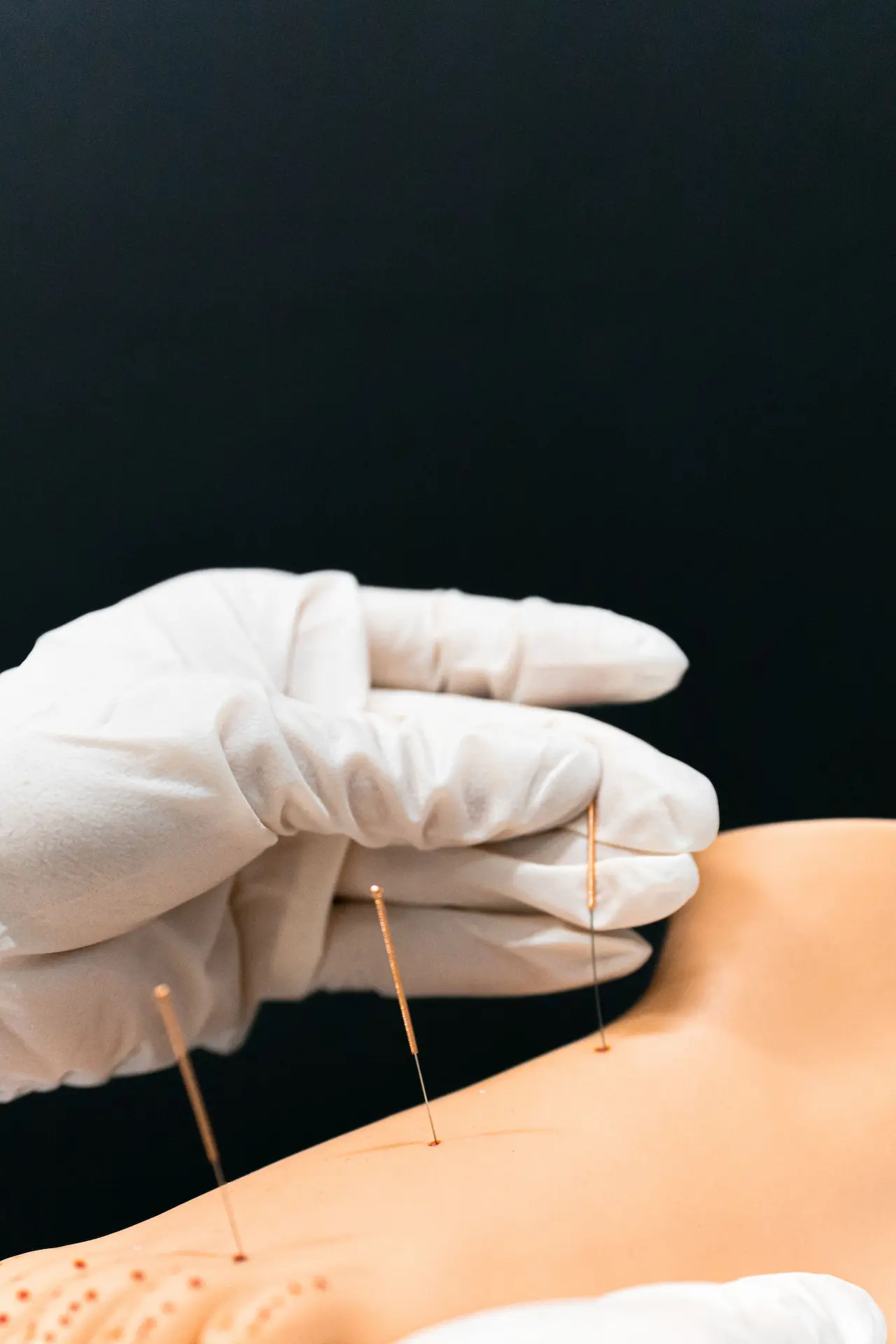
- Manual therapy to help with short-term pain and movement comfort
- Education on pacing, recovery, and flare-up management
- Chiropractic input where spinal or joint function is relevant to movement goals
- Occupational health strategies if work demands are a major driver (standing roles, repetitive tasks, manual handling)
Your plan is tailored, and progress varies between individuals.
Self-care tips that may help
These general suggestions may help while you’re arranging an assessment. If symptoms are severe, worsening, or affecting daily activities, seek personalised advice.
- Reduce the most aggravating load temporarily (for example, hills or speed work rather than all activity)
- Keep tolerable movement in your week (walking, cycling, modified gym)
- Avoid sudden spikes in training; increase one variable at a time (duration, intensity, frequency)
- Add basic strength work 222 times per week if appropriate (calves, hips, trunk, or upper limb depending on your symptoms)
- Break up long sitting with short movement breaks every 30–60 minutes
- Prioritise recovery basics: sleep, hydration, and regular meals
If pain is sharp, you’re limping, or symptoms are escalating, it’s sensible to pause and book an assessment rather than pushing through.
When to seek help
Consider booking an appointment if:
- Symptoms have persisted for more than 2–4 weeks despite sensible changes
- Pain keeps returning when you try to increase training or work activity
- You’re unsure what exercises are safe or how to progress them
- Pain affects sleep, work performance, or day-to-day tasks
Seek urgent medical care if you notice red flags such as:
- Significant trauma, suspected fracture, or inability to weight-bear/use the limb
- Rapidly increasing swelling, redness, fever, or feeling generally unwell
- New or progressive numbness, weakness, or changes in bowel/bladder function
- Severe, unrelenting pain that does not ease with rest
If you’re uncertain, starting with a GP or physiotherapy assessment is a reasonable step.
Why choose a local clinician in Milsons Point?
Consistency matters with persistent pain and rehab plans. Our Milsons Point location is convenient for people living locally or commuting from Kirribilli, North Sydney, and the wider Lower North Shore.
Milsons Point Health offers:
- One-on-one appointments with clear explanations and practical next steps
- A multidisciplinary team (physiotherapy, chiropractic, exercise physiology, occupational health) to coordinate care when appropriate
- A plan-based approach where shockwave therapy is considered as one option, alongside education and exercise
Book an assessment
If you’re considering shockwave therapy Milsons Point appointments, the best first step is a personalised assessment to confirm whether it’s appropriate for your symptoms and to build a complete plan. Contact Milsons Point Health in Milsons Point to book an appointment or to discuss whether a shockwave physio consultation is suitable for you.



Ready to book an appointment with us?
Visit our Online Bookings page where you can see what times are available and book appointments with all our great Physiotherapists and Chiropractors in Milsons Point. You can also find us and book appointments via HotDoc and HealthEngine.
Rather speak to someone? Simply give us a call on 02 9190 7654 and our friendly receptionists can help you find a time that suits, and answer any questions you might have.


