
What Is Dry Needling? A Plain‑Language Overview


What Is Dry Needling? A Plain‑Language Overview
If you’ve been dealing with tight, sore muscles or persistent aches, you may be wondering what is dry needling and whether it’s appropriate for you. At Milsons Point Health in Milsons Point, we use dry needling as one possible tool within an overall treatment plan, alongside hands-on care, exercise-based rehab, and education. We’re close to Kirribilli and North Sydney, and we often see North Sydney CBD office workers, local residents, and recreational or club-level athletes across the Lower North Shore.
Dry needling isn’t the right fit for every person or every problem, so a personalised assessment is an important first step.
What is dry needling?
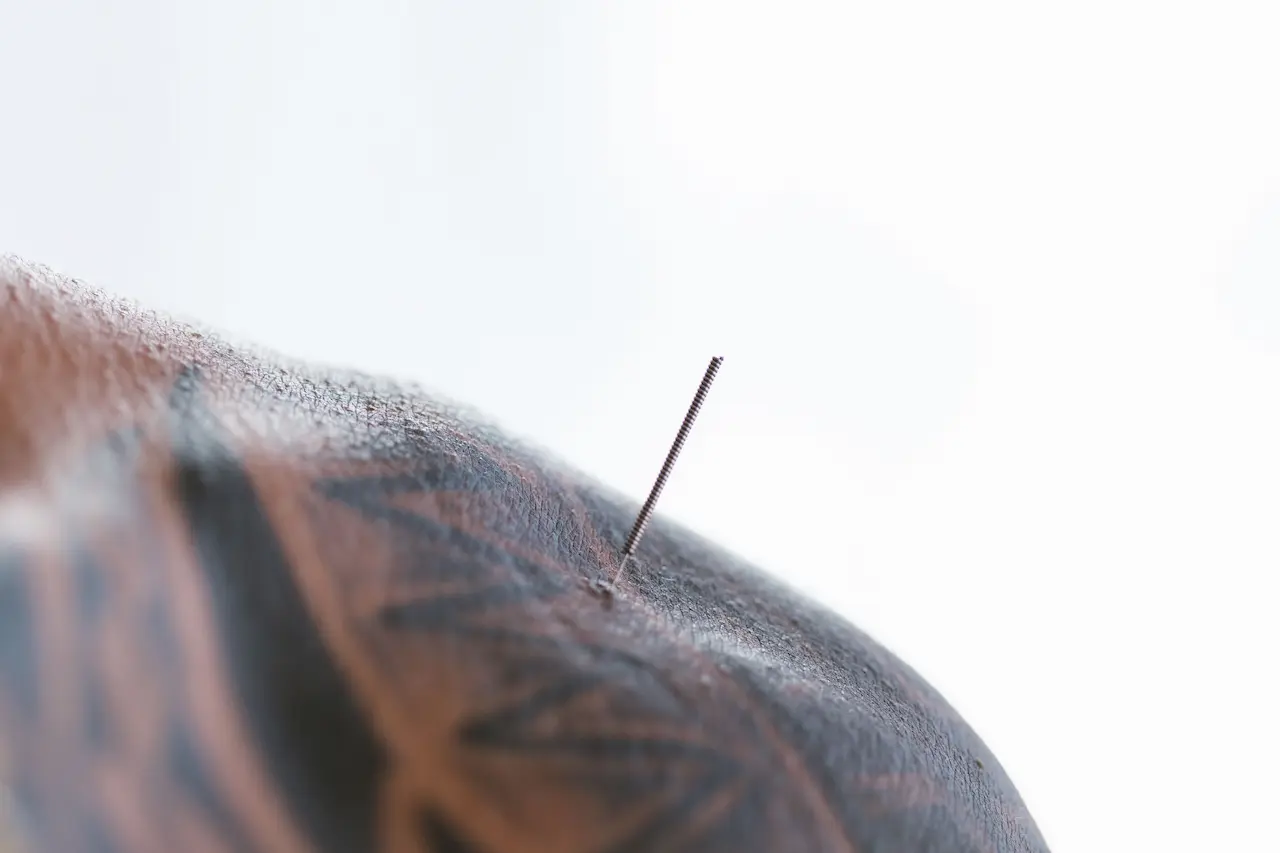
Dry needling is a treatment where a trained clinician uses very thin, sterile, single-use needles to target specific areas of muscle (and sometimes nearby connective tissue) that may be contributing to pain or movement restriction. It’s called “dry” because no medication is injected.
People often describe these sensitive muscle points as “knots” or tight bands. In clinical terms, they may be referred to as trigger points or areas of increased sensitivity. Dry needling aims to help reduce sensitivity and improve how a muscle feels and moves for some people.
Dry needling is not the same as acupuncture, although both use similar needles. Acupuncture is traditionally based on different frameworks, while dry needling is typically used within a musculoskeletal assessment and aims to address specific muscles and movement patterns.
Common signs and symptoms
Dry needling is usually considered when symptoms appear to be influenced by muscle tightness, sensitivity, or overload. You don’t need to self-diagnose, but some common patterns people ask about include:
- Tight or aching muscles that don’t settle with rest alone
- Localised “knot” sensitivity that reproduces familiar pain when pressed
- Neck and shoulder tension linked with desk work and stress
- Low back or hip tightness that worsens after sitting or commuting
- Muscle discomfort that builds with training load (running, gym, sport)
- Reduced range of motion that feels “blocked” by muscular tightness
- Headaches that may be associated with neck and upper back tension
- Symptoms that fluctuate with workload, sleep, and recovery
If symptoms persist, worsen, or affect day-to-day function, a professional assessment can help clarify what’s contributing and what care is most suitable.
Why does this happen?
Muscles can become sore or sensitive for many reasons, and it’s often a mix of factors rather than one single cause.
Common contributors
- Prolonged postures, especially sustained sitting and screen work
- Repetitive tasks, such as typing and mouse use
- Sudden increases in training load or new exercises
- Inadequate recovery (sleep, stress, and back-to-back sessions)
- Previous injuries that change how you move and load certain areas
- Reduced strength or endurance in key muscle groups
- High overall life and work demands, which can increase tension and reduce recovery
Research and clinical guidelines commonly emphasise active approaches like education and graded exercise for many musculoskeletal issues. Dry needling, when used, is typically considered a supportive option rather than a stand-alone solution.

How a physiotherapist may use dry needling
Dry needling is usually used as part of a broader physiotherapy plan, not as the whole plan. Your physiotherapist will first assess your symptoms, movement, and functional goals to decide whether dry needling is likely to be appropriate.
Assessment before treatment
A physiotherapist may:
- Take a detailed history, including your work setup, sport/training load, and symptom triggers
- Assess movement, strength, and joint mobility
- Palpate (feel) muscle areas that may be contributing to your pain pattern
- Explain likely contributing factors in plain language and outline options
This helps ensure the plan addresses the drivers of your symptoms, not just the sore spot.
What dry needling may help with (in general terms)
Dry needling may be used to support short-term changes such as:
- Reducing local muscle sensitivity for some people
- Improving comfort to help you move more freely
- Making it easier to start or progress an exercise program
- Settling symptoms during a flare-up while longer-term strategies are put in place
Responses vary. Some people feel noticeable change quickly, while others feel little difference, and some may feel sore afterwards. Your clinician will discuss expected sensations and whether it fits your preferences.
What to expect during and after a session
Dry needling usually involves:
- Explaining the process and checking consent each time
- Cleaning the skin and using sterile, single-use needles
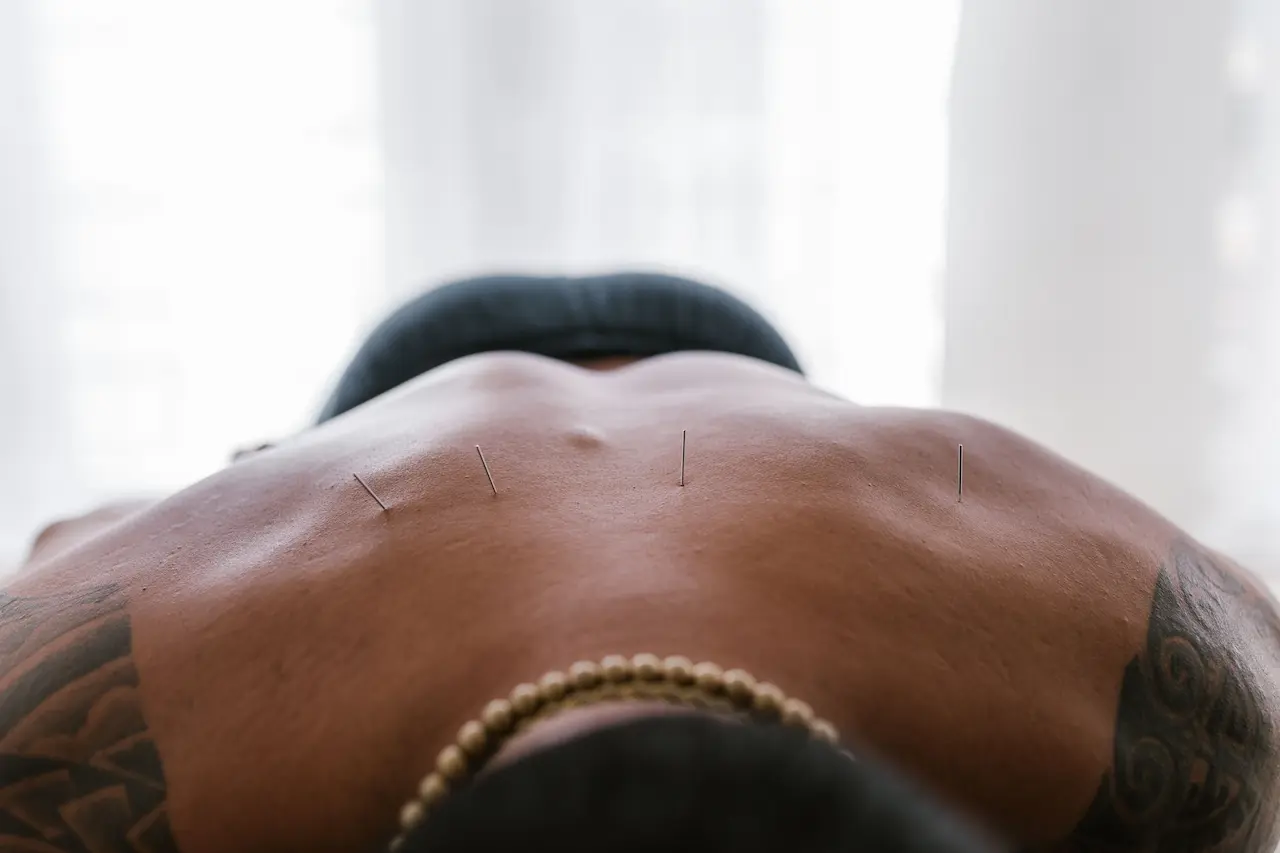
- Inserting the needle into the targeted area for a short time
- Adjusting the approach based on your comfort and response
You might feel a brief ache, pressure, or a local twitch response in the muscle. Afterward, it’s common to have temporary soreness (similar to post-exercise soreness), mild bruising, or fatigue for some people.
How chiropractic and exercise-based care may fit in
Because Milsons Point Health is a multidisciplinary clinic, dry needling (when appropriate) can sit alongside other services based on your needs.
A chiropractor may help assess and manage joint and spinal contributors to pain and movement limits, and may provide education, hands-on care, and exercise advice where appropriate. Exercise physiology can support conditioning, strength, and longer-term capacity building, which can be especially helpful for people returning to sport or building resilience around work demands.
For many people—particularly office workers in the North Sydney CBD—combining symptom relief strategies with a simple, realistic strength and movement plan can be more sustainable than relying on one technique alone.
Self-care tips that may help
These general tips are designed to be safe for most people, but they won’t suit everyone. If symptoms are severe, worsening, or persistent, seek personalised advice.
- Break up sitting with brief movement every 30–60 minutes
- Use a gradual warm-up before exercise, especially after a workday at the desk
- Start strength work at a manageable level 2 times per week (your clinician can tailor this)
- Pace workloads to avoid big spikes in training, lifting, or long days without breaks
- Try gentle mobility for areas that feel stiff, without forcing into painful ranges
- Prioritise recovery basics: sleep, hydration, and regular meals
If pain is sharp, you notice increasing pins and needles, or your symptoms are changing quickly, it’s best to pause and get assessed.
When to seek help
Consider booking an appointment with a health professional if:
- Pain lasts more than 1–2 weeks or keeps returning
- Symptoms affect work, sleep, training, or daily tasks
- You’re unsure what activities are safe to continue
- You have ongoing headaches, arm or leg symptoms, or noticeable weakness
Seek urgent medical care if you experience red flags such as:
- Significant trauma, suspected fracture, or inability to use the affected area
- Rapidly increasing swelling, redness, fever, or feeling generally unwell
- New or progressive weakness, widespread numbness, or coordination changes
- Changes in bowel or bladder function, or saddle numbness
- Severe, unrelenting pain that does not ease with rest
If you’re unsure, starting with your GP or a physiotherapy assessment is a reasonable step.
Why choose dry needling in Milsons Point?
If you’re searching for dry needling Milsons Point options, convenience can make it easier to attend consistently and follow through with a plan. Our clinic is based in Milsons Point and is close to Kirribilli and North Sydney, making appointments practical for many people living and working on the Lower North Shore.
Milsons Point Health offers:
- One-on-one appointments with clear explanations and practical next steps
- A multidisciplinary team (physiotherapy, chiropractic, exercise physiology, and occupational health) to coordinate care when appropriate
- A plan-based approach where dry needling is considered as one option alongside exercise, education, and hands-on care
Book an assessment
If you’re still wondering what is dry needling in practical terms for your specific issue, the best next step is a personalised assessment. Contact Milsons Point Health in Milsons Point to book an appointment or to discuss whether dry needling Milsons Point sessions may be appropriate as part of your care plan.




Ready to book an appointment with us?
Visit our Online Bookings page where you can see what times are available and book appointments with all our great Physiotherapists and Chiropractors in Milsons Point. You can also find us and book appointments via HotDoc and HealthEngine.
Rather speak to someone? Simply give us a call on 02 9190 7654 and our friendly receptionists can help you find a time that suits, and answer any questions you might have.


