
Shoulder Pain and Rotator Cuff Physio (Shoulder Pain Physio)
%20(1).svg)
.svg)

Shoulder Pain and Rotator Cuff Physio (Shoulder Pain Physio)
If you’re looking for shoulder pain physio in Milsons Point, you may be dealing with pain when lifting your arm, reaching overhead, sleeping on your side, or getting through gym sessions and sport. Shoulder symptoms are common for North Sydney office workers (especially with long hours at a desk) and for recreational athletes across the Lower North Shore. A personalised assessment can help clarify what’s contributing to your pain and which steps are most likely to help.
What is shoulder pain (and what is the rotator cuff)?
Shoulder pain is an umbrella term for discomfort around the shoulder joint, upper arm, collarbone area, or shoulder blade region. The shoulder is designed for movement, which makes it useful—but also more sensitive to changes in load, posture, and muscle control.
The rotator cuff is a group of four muscles and their tendons that help centre the ball of the upper arm in the shoulder socket and support controlled movement. Rotator cuff-related pain is common, especially with repeated overhead work, gym training, throwing sports, or periods of reduced strength.
Some people use terms like “impingement”, “bursitis”, or “tendinitis”. These labels can be confusing, and they don’t always change what helps. For many people, a progressive plan that improves shoulder strength, mobility, and tolerance to load is often recommended in clinical guidelines.

Common signs and symptoms
Shoulder problems can present in different ways, and symptoms don’t confirm a diagnosis on their own. People commonly book an appointment for symptoms such as:
- Pain when reaching overhead, behind your back, or across your body
- Discomfort with lifting, pressing, or pulling exercises at the gym
- Pain when carrying bags, lifting children, or doing housework
- Night pain or pain when lying on the affected side
- A painful “arc” when raising the arm part way up
- Weakness, fatigue, or a feeling the shoulder “doesn’t trust” certain movements
- Stiffness, particularly after inactivity or first thing in the morning
- Clicking, popping, or grinding sensations (these can be normal, but assessment helps if painful)
- Pain that spreads into the upper arm, neck, or shoulder blade area
If pain is persistent, worsening, or stopping you from normal activities, it’s worth seeking a professional assessment rather than guessing the cause.
Why does this happen? Common contributing factors
Shoulder pain is often multifactorial. Your symptoms may relate to a combination of tissue sensitivity, how the shoulder is loaded, and how well supporting muscles are coping. Common contributing factors include:
- Sudden increases in training load, such as returning to the gym, adding push-ups/bench/shoulder press, or increasing swimming volume
- Repetitive overhead work, including trades, childcare, or frequent reaching tasks
- Reduced rotator cuff and upper back strength or endurance, especially after a break from exercise
- Limited movement at the upper back (thoracic spine) or shoulder blade control, which can increase demand at the shoulder
- Long hours at a desk with minimal movement variety (common in North Sydney office roles)
- Previous shoulder injuries, which can change how you move and load the joint
- Poor recovery (sleep disruption, stress, fatigue), which can increase pain sensitivity
Not all shoulder pain means something is “torn” or permanently damaged. Many shoulder presentations improve with graded loading and time, but the right starting point matters.
Shoulder pain physio: how a physiotherapist or chiropractor may help
Shoulder care should be tailored to your symptoms, goals, and medical history. A shoulder pain physio plan often aims to reduce flare-ups, restore confident movement, and build strength and capacity over time. Results vary between individuals, so your clinician should review progress and adjust the plan as needed.
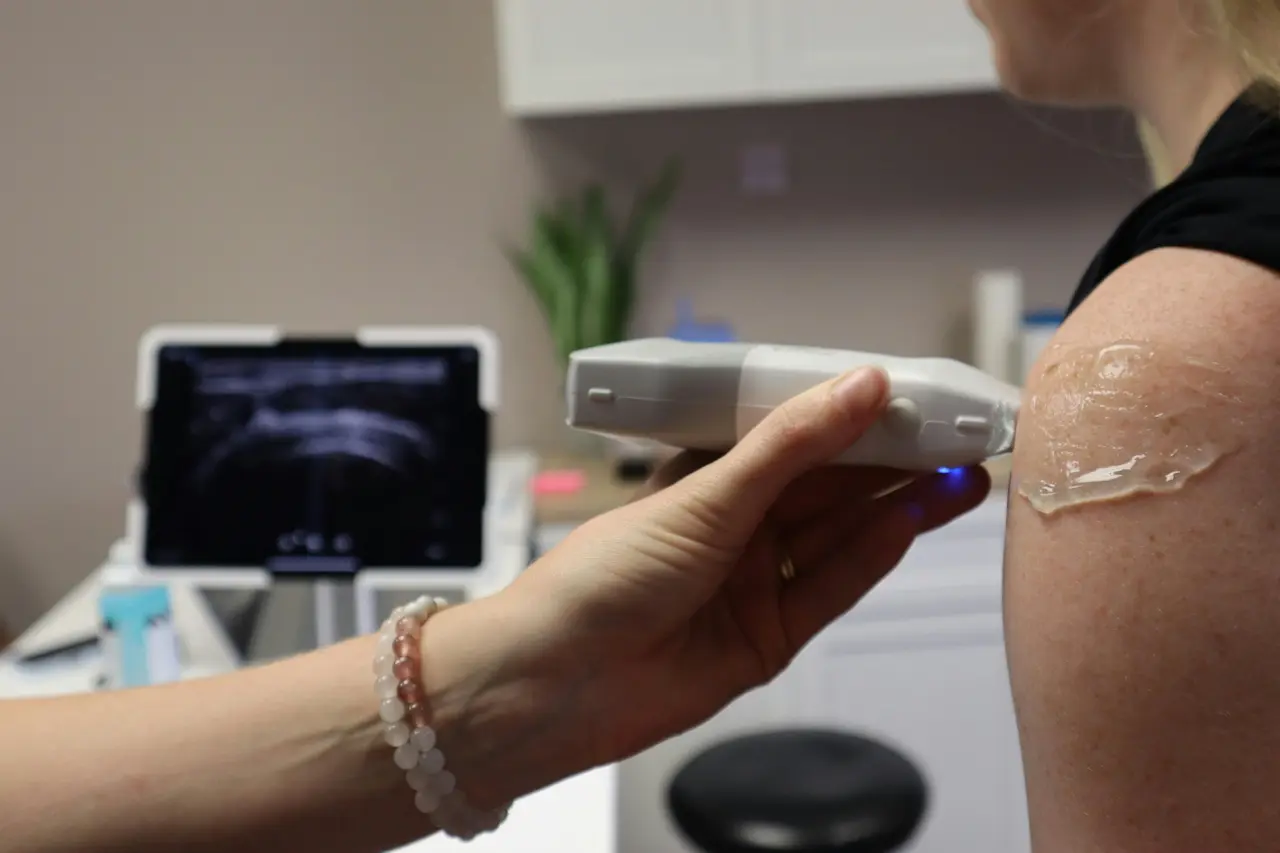
Assessment and clear direction
A thorough assessment typically includes:
- Your symptom story (what started it, what aggravates it, and what helps)
- Screening to rule out signs that may need GP review or imaging
- Movement testing of the shoulder, shoulder blade, neck, and upper back
- Strength and endurance checks (often rotator cuff and shoulder blade muscles)
- Discussion of work demands, sport, and training habits
You’ll usually leave with a working explanation in plain language and a practical plan for the next steps.
Education and load management
Education is often a key part of shoulder rehab. This may include:
- Which activities to modify temporarily (and which to keep doing)
- How to manage “too much, too soon” spikes in load
- How pain can behave with tendons and irritated structures (often sensitive to sudden change)
- A simple flare-up plan for busy work weeks, travel, or heavy training blocks
The goal is to keep you active and progressing, without repeatedly provoking the shoulder.
Exercise-based rehabilitation (often the foundation)
Rehab programs commonly include:
- Rotator cuff strengthening, starting at tolerable ranges and progressing gradually
- Shoulder blade and upper back strengthening to support posture capacity and overhead tasks
- Mobility work for the shoulder and thoracic spine where relevant
- A graded return to gym lifts, swimming, racquet sports, or throwing activities
If you have longer-term strength or performance goals, exercise physiology support can help you build conditioning safely once symptoms settle and key movement patterns are under control.

Hands-on treatment (when appropriate)
Hands-on care may be used to help some people settle symptoms in the short term or move more comfortably while starting exercise. Depending on your presentation and preference, this can include soft tissue techniques, joint mobilisation, or other manual therapy approaches.
In a multidisciplinary clinic, chiropractic care may also be considered when it fits the findings and your goals—typically alongside education and a structured exercise plan.
Workstation and occupational support
For office workers, shoulder pain can be linked with neck/upper back tension and long periods of static posture. Your plan may include:
- Practical workstation changes (screen height, arm support, keyboard/mouse position)
- Microbreak strategies for meeting-heavy days
- Advice for laptop-only days, commuting, and travel
- Guidance for safe participation at work, including manual handling principles when relevant
Rotator cuff physio North Sydney: what to expect from a plan
If you’re searching for rotator cuff physio North Sydney options, you may want care that fits around the workday and supports a return to gym or sport. Rotator cuff-related shoulder pain often responds to a progressive program that:
- Starts with exercises you can do without large flare-ups
- Builds strength and endurance steadily (tendons often prefer consistent, graded load)
- Improves tolerance to overhead positions over time
- Gradually reintroduces your sport or lifting plan in stages
A good plan is specific enough to guide you, but flexible enough to match real life—busy weeks, travel, and changing workloads.
Self-care tips that may help
These are general suggestions and may not suit everyone. If pain is severe, worsening, or you’re unsure what’s safe, seek personalised advice.
- Keep the shoulder moving within tolerance; complete rest can sometimes increase stiffness and sensitivity
- Temporarily reduce aggravating overhead activity, then reintroduce it gradually rather than stopping everything long-term
- Consider short movement breaks during desk work (shoulder rolls, gentle arm raises, upper back extension)
- Be cautious with aggressive stretching if it increases pain; gentler mobility may be better early on
- Modify gym training: reduce load and range for pressing movements, focus on controlled pulling/rowing, and build back up progressively
- Avoid repeatedly testing painful movements “to see if it’s better” throughout the day
- Use heat or a warm shower for stiffness if it helps you move more comfortably (responses vary)
If symptoms keep flaring despite these steps, an assessment can help identify which modifications and exercises are most appropriate.
When to seek help
Consider booking an appointment if:
- Shoulder pain lasts more than a couple of weeks or keeps returning
- Night pain is frequent or sleep is disrupted
- You’ve reduced activity significantly due to pain or fear of flare-ups
- You have noticeable weakness that is not improving
- Symptoms affect your work, training, or daily tasks like dressing and lifting
Seek urgent medical care or speak to a GP promptly if you have red flags such as:
- Significant pain after a fall or traumatic injury, especially if you can’t lift the arm
- Visible deformity, rapidly increasing swelling, or suspected fracture/dislocation
- Fever, unexplained weight loss, or feeling significantly unwell with new shoulder pain
- New, widespread numbness or weakness in the arm/hand, or symptoms that don’t match a typical musculoskeletal pattern
- Chest pain, shortness of breath, or other emergency symptoms
If you’re unsure, starting with your GP is appropriate.

Why choose a local clinician in Milsons Point?
Choosing care close to home or work can make it easier to stay consistent with appointments and exercise. For people in Milsons Point, Kirribilli, and North Sydney, local care may offer:
- Convenient access around the workday on the Lower North Shore
- One-on-one consultations with time for questions and clear explanations
- Team-based input across physiotherapy, chiropractic, exercise physiology, and occupational health when helpful
- Practical plans that fit desk work, commuting, and training schedules
Book an appointment
If you’d like support with shoulder pain physio or you’re exploring rotator cuff physio North Sydney options close to work, contact our Milsons Point clinic to book an assessment. We’ll take the time to understand your symptoms, check relevant contributing factors, and map out a plan that suits your goals and routine.

.webp)


Ready to book an appointment with us?
Visit our Online Bookings page where you can see what times are available and book appointments with all our great Physiotherapists and Chiropractors in Milsons Point. You can also find us and book appointments via HotDoc and HealthEngine.
Rather speak to someone? Simply give us a call on 02 9190 7654 and our friendly receptionists can help you find a time that suits, and answer any questions you might have.


