
Chiropractor in Milsons Point
%20(1).svg)
.svg)

Chiropractor in Milsons Point
If you’re looking for a chiropractor Milsons Point locals and North Sydney office workers can access easily, you may be dealing with back or neck pain, stiffness, headaches, or a flare-up related to work, sport, or daily life. This page is for people across Milsons Point, Kirribilli, and the Lower North Shore who want clear, evidence-informed information and a plan that suits their goals. If symptoms persist, worsen, or affect your daily activities, an individual assessment can help clarify what’s going on and what options may be appropriate.
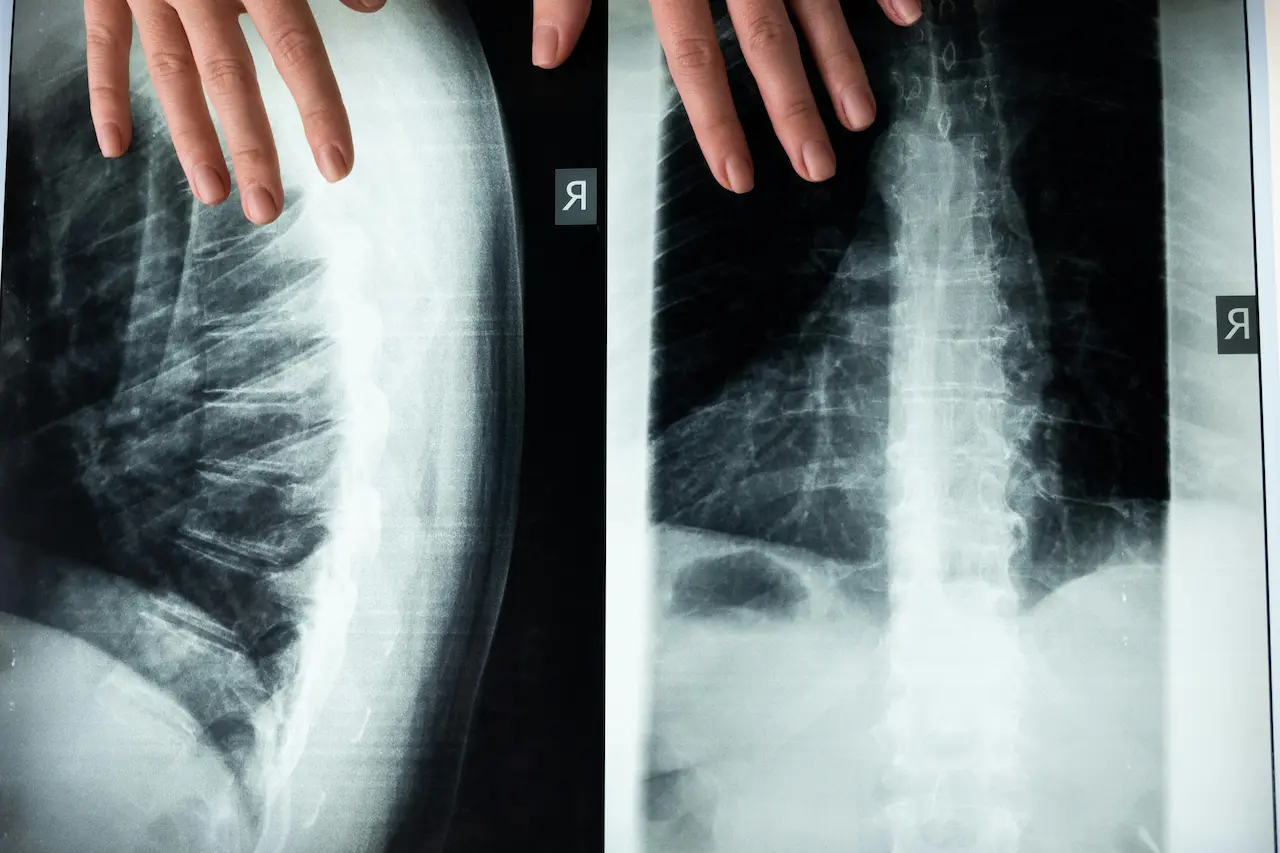
Chiropractor Milsons Point: what chiropractic care is
Chiropractic is a regulated health profession that focuses on the assessment and management of musculoskeletal concerns—often involving the spine, but also joints such as shoulders, hips, and ribs. A chiropractor looks at how your joints, muscles, nerves, and movement patterns may be contributing to your symptoms and function.
Chiropractic care may include:
- A detailed health history and symptom review
- Physical examination and movement testing
- Education about likely contributing factors and helpful next steps
- Hands-on care where appropriate (for example, spinal manipulation, mobilisation, or soft tissue techniques)
- Exercise and self-management advice to support recovery and reduce flare-ups
- Referral to a GP or another provider if your presentation suggests further investigation is needed
Research and clinical guidelines often support a combination of education, staying active, progressive exercise, and manual therapy for some musculoskeletal presentations. What’s most suitable depends on your symptoms, medical history, preferences, and goals.
Chiropractic, physiotherapy, and exercise physiology: how they can work together
In a multidisciplinary clinic, chiropractic care can sit alongside physiotherapy and exercise physiology. For example, hands-on treatment may help some people settle symptoms enough to move more comfortably, while a structured exercise program helps build strength, control, and tolerance for work or sport over time.
Common signs and symptoms people seek chiro care for
Many musculoskeletal symptoms can have more than one possible cause. Seeing a chiro in Milsons Point may be considered when people experience:
- Neck pain or stiffness, including discomfort after long periods at a desk
- Mid-back tightness or restricted movement (for example, around the ribs)
- Lower back pain that flares with sitting, bending, lifting, or prolonged standing
- Headaches that may be associated with neck tension (not all headaches are musculoskeletal, so assessment matters)
- Shoulder or upper limb discomfort that seems linked with neck or upper back movement
- Feeling “stuck” or restricted with turning, reaching, or bending
- Recurring flare-ups with training, gym work, or weekend sport
- Discomfort that affects sleep, focus, or confidence with movement
These symptoms don’t automatically indicate a specific diagnosis. A professional assessment helps determine whether chiropractic care is appropriate and what else should be considered.

Why does this happen? Common contributing factors
Pain and stiffness are often influenced by multiple factors rather than a single “problem spot”. Your chiropractor may explore contributors such as:
- Prolonged sitting and screen time, including workstation setup and break habits
- Sudden changes in load, such as increasing running distance, gym weights, or sport intensity too quickly
- Reduced strength or control around key areas (often the hips, trunk, shoulder blades, and neck)
- Repetitive work demands, including lifting, carrying, driving, or manual handling
- Prior injuries, which can affect movement patterns and confidence
- Stress, sleep, and recovery, which can influence pain sensitivity and muscle tension
- Technique factors (for example, lifting form, training programming, or posture habits that don’t match your day-to-day demands)
Not all pain equals damage. Sometimes symptoms reflect irritation, sensitivity, and reduced tolerance to load. That said, it’s still important to rule out conditions that need medical review.
How a chiropractor (and physio/exercise-based care) may help
Care should be tailored to you—your goals, health history, and what the assessment shows. While outcomes vary from person to person, chiropractic care is often used to help people improve comfort and movement confidence.
Assessment, screening, and shared goals
An appointment typically starts with:
- Understanding your symptoms (what triggers them, what eases them, and what you’ve tried)
- Discussing your work setup (common for North Sydney CBD office workers) and daily routine
- Reviewing sport and training load (common for recreational runners, gym-goers, and club-level athletes)
- Screening for signs that suggest you should see a GP or need urgent care
From there, you and your clinician can set clear goals—such as sitting with fewer flare-ups, returning to training, lifting with more confidence, or improving day-to-day movement.
Education and practical self-management
Education may include:
- A clear explanation of likely contributing factors (in plain language)
- Guidance on what to keep doing, what to modify temporarily, and how to pace activity
- Strategies to manage flare-ups at work or during training blocks
- Advice on when to seek further medical assessment
This step matters because it helps you make safer choices between visits and reduces uncertainty.
Hands-on care where appropriate
Depending on your presentation, hands-on approaches may include:
- Spinal manipulation (a specific, quick movement applied to a joint)
- Mobilisation (gentler, repeated joint movements)
- Soft tissue techniques for surrounding muscles
- Guidance on comfortable movement during and after treatment
Hands-on care is not essential for everyone, and it’s typically most helpful when combined with active strategies like exercise and gradual exposure to activities you want to return to.

Exercise and progressive return to activity
Exercise-based care may focus on:
- Mobility and control for stiff or sensitive areas
- Strength and endurance to improve tolerance for work and sport
- Postural capacity (your ability to maintain positions without flare-ups)
- Sport-specific progressions (for example, returning to sprinting, jumping, or longer runs gradually)
Where useful, exercise physiologists can support longer-term conditioning plans, and physiotherapists can assist with injury-specific rehabilitation and return-to-sport testing.

Self-care tips that may help
These ideas are general and should be adapted to your situation. If pain is severe, worsening, or linked with neurological symptoms (like numbness or weakness), seek professional advice.
- Break up long sitting with short movement breaks every 303030–606060 minutes (a brief walk, gentle spine movements, or shoulder mobility)
- Keep activity within tolerance; aim for a level you can repeat consistently rather than doing too much on “good days”
- Adjust training load gradually; change one variable at a time (distance, speed, or frequency)
- Use a simple warm-up before sport (5–10 minutes of light movement and joint range work)
- Consider basic ergonomic changes (screen height, chair support, keyboard/mouse position) if desk work triggers symptoms
- Use heat or a warm shower for stiffness if it helps you move more comfortably; responses vary between people
- If a movement clearly increases symptoms during or after, pause and get guidance rather than pushing through
When to seek help (and when to seek urgent care)
Consider booking an assessment if:
- Symptoms last more than a couple of weeks despite sensible self-care
- Pain keeps returning with work deadlines, travel, or training blocks
- You’re avoiding normal activities due to fear of flare-ups
- You have pins and needles, numbness, or weakness that isn’t settling
- Sleep, mood, or concentration is being affected
Seek urgent medical care or speak with a GP promptly if you notice red flags such as:
- Significant or worsening weakness, or widespread numbness
- Changes to bladder or bowel control, or numbness in the groin/saddle area
- Severe pain after a fall, accident, or significant impact
- Unexplained fever, unexplained weight loss, or feeling significantly unwell alongside back or neck pain
- Chest pain, shortness of breath, or symptoms that may indicate a medical emergency
If you’re unsure what’s going on, it’s appropriate to start with a GP or ask our team for guidance on the most suitable next step.
Why choose a local clinician in Milsons Point?
Choosing a local clinic can make it simpler to stay consistent with appointments and exercise—especially if you work in North Sydney or live nearby in Kirribilli or on the Lower North Shore. Local care may offer:
- Convenient access close to work, public transport, and home routines
- One-on-one consultations with time for questions and clear explanations
- Team-based support across chiropractic, physiotherapy, exercise physiology, and occupational health when appropriate
- Practical advice that fits your real work and sport demands, including desk setup and load management
Book an appointment
If you’re considering chiro Milsons Point care for back pain, neck pain, headaches, or a sports-related concern, we invite you to contact our clinic for a personalised assessment. Our team can help you understand your options and develop a plan that matches your goals, schedule, and comfort level.

.webp)


Ready to book an appointment with us?
Visit our Online Bookings page where you can see what times are available and book appointments with all our great Physiotherapists and Chiropractors in Milsons Point. You can also find us and book appointments via HotDoc and HealthEngine.
Rather speak to someone? Simply give us a call on 02 9190 7654 and our friendly receptionists can help you find a time that suits, and answer any questions you might have.


