
Back Pain Physio in Milsons Point
%20(1).svg)
.svg)

Back Pain Physio in Milsons Point
If you’re looking for a back pain physio Milsons Point locals and North Sydney workers can access easily, you’re not alone—back pain is common and can affect sitting, lifting, sleep, and exercise. Whether your symptoms started suddenly or have built up over time, a clear assessment can help you understand likely contributing factors and what to do next. Our clinic supports people in Milsons Point, Kirribilli, and across Sydney’s Lower North Shore with personalised, practical care.
What is back pain?
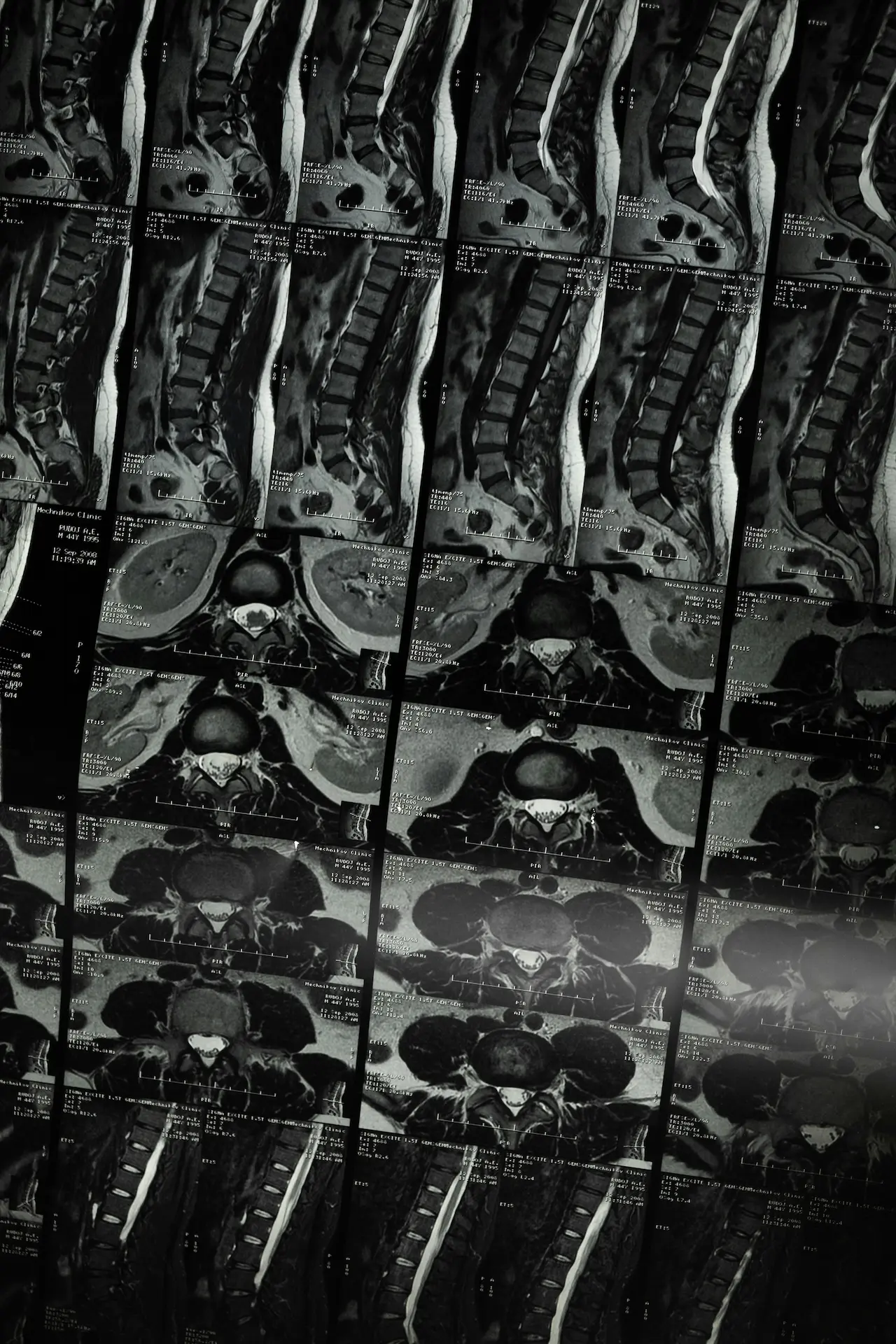
Back pain is discomfort felt anywhere from the base of your ribs down to your pelvis, and it can include the muscles, joints, discs, and nerves around the spine. Some people notice a dull ache; others feel sharp pain with certain movements. Symptoms may stay local, or they may spread into the buttock, hip, or leg.
Most back pain relates to how sensitive or irritated the tissues are, plus how well your body is coping with load (like prolonged sitting, lifting, or sport). It’s not always possible—or necessary—to pinpoint a single structure as “the” cause. What matters is working out what your back tolerates right now and building that tolerance safely.
Acute vs persistent back pain
Back pain is sometimes described as:
- Acute: recent onset, often after a change in activity, lifting, or an awkward position
- Persistent or recurrent: symptoms that last longer, or keep returning with work, stress, or training cycles
Both patterns can respond to an individual plan, especially when it includes education and graded activity.
Common signs and symptoms
Back pain can present in different ways. Common symptoms that lead people to seek lower back pain treatment Milsons Point appointments include:
- Pain or stiffness after sitting (meetings, driving, commuting)
- Pain with bending, lifting, or getting up from a chair
- Tightness or aching across the lower back, hips, or buttocks
- A “catch” or sharp pain with certain movements
- Symptoms that worsen later in the day, or after busy work periods
- Pain that flares with running, gym training, or sport
- Pins and needles, numbness, or pain that travels into the leg (this needs assessment)
- Feeling guarded, hesitant, or less confident moving your back
These symptoms can overlap with several conditions, so it’s best not to self-diagnose. A physiotherapist can assess your movement, symptoms, and relevant health factors to guide next steps.
Why does this happen? Common contributing factors
Back pain is usually influenced by more than one factor. Your symptoms may relate to a mix of tissue sensitivity, movement habits, workload, and recovery. Common contributors include:
- Prolonged sitting and limited movement variety (common for North Sydney office workers)
- A sudden spike in lifting, housework, gardening, or gym loads
- Training changes, like increasing running distance or intensity too quickly
- Reduced strength or endurance in trunk, hip, or leg muscles
- Poor recovery (sleep disruption, stress, fatigue), which can increase pain sensitivity
- Previous back episodes, which can affect confidence and movement patterns
- Work demands such as repetitive bending, driving, or manual handling
It can help to think of the back like any other body part: it adapts to what you ask of it. When demand rises faster than adaptation, symptoms can flare.

Back pain physio Milsons Point: how care may help
A back pain plan should match your presentation and goals, and it should be reviewed as you progress. Physiotherapy is often used to help people reduce symptoms, improve function, and return to meaningful activities, though results vary between individuals.
Assessment and clinical reasoning
Your physiotherapist will typically:
- Ask about your symptoms, triggers, and daily routine
- Screen for signs that may require GP review or imaging (not everyone needs scans)
- Assess movement, strength, and how your back responds to certain positions or loads
- Consider workplace factors, sport demands, and previous injuries
The goal is to identify likely drivers of your pain and decide what to prioritise first.

Education and self-management strategies
Education is a core part of care. It may include:
- A clear explanation of what your symptoms suggest (in plain language)
- Guidance on staying active safely and avoiding unhelpful boom–bust cycles
- Advice on pacing, flare-up planning, and return-to-work or return-to-sport steps
- Discussion of when further medical input is appropriate
Research and clinical guidelines often emphasise staying active and progressively restoring normal movement and strength, tailored to the person.
Exercise-based rehabilitation
Exercise helps build capacity and confidence over time. Depending on your needs, programs may include:
- Mobility exercises for stiff or sensitive areas
- Strength work for hips, legs, and trunk (to improve load tolerance)
- Graded exposure to bending, lifting, or sport-specific tasks
- Walking or conditioning plans to rebuild general fitness
If helpful, exercise physiology input can support longer-term strength and conditioning, especially for people returning to sport or managing ongoing goals.

Hands-on treatment and other options
Some people find hands-on techniques useful for short-term relief or to make movement practice easier. This may include joint mobilisation or soft tissue techniques, based on your presentation and preferences.
In a multidisciplinary clinic, chiropractic care may also be considered for some people as part of a broader plan that includes exercise and education. The key is choosing options that are appropriate for you, not a one-size-fits-all approach.
Workplace and occupational support
For people with desk-based pain or work-related flare-ups, care may include:
- Practical workstation and posture capacity advice (not “perfect posture”)
- Strategies for managing long meetings, travel, and deadlines
- Manual handling guidance and graded return-to-work planning where relevant
Self-care tips that may help
These general ideas are usually low-risk, but seek individual advice if symptoms are severe, worsening, or accompanied by nerve symptoms (like significant numbness or weakness).
- Keep moving within tolerance; short walks can reduce stiffness from prolonged sitting
- Break up sitting every 30-60 minutes with a brief stand, walk, or gentle movement
- Temporarily reduce aggravating tasks, but try not to stop all activity unless advised
- Return to lifting or sport gradually; increase one variable at a time (load, reps, distance, or speed)
- Use heat for stiffness or ice for a recent flare-up if it helps you feel more comfortable (responses vary)
- Prioritise sleep and recovery where possible, as pain often feels worse when you’re run down
- If a movement clearly increases pain during or after, pause and get guidance rather than pushing through
If you’re unsure which exercises are suitable, a tailored program is safer than guessing—especially if symptoms travel into the leg.
When to seek help
Consider booking an assessment if:
- Back pain persists beyond a couple of weeks despite sensible self-care
- Symptoms keep returning with work, parenting demands, or training
- Pain is limiting daily activities like sitting, walking, lifting, or sleeping
- You have pins and needles, numbness, or weakness that isn’t settling
- You feel unsure about what’s safe to do, or you’re avoiding movement due to fear of flare-ups
Seek urgent medical care or speak to a GP promptly if you notice red flags such as:
- New or worsening weakness, significant numbness, or trouble walking
- Changes in bladder or bowel control, or numbness in the groin/saddle area
- Severe pain after a fall, accident, or significant impact
- Unexplained fever, unexplained weight loss, or feeling significantly unwell with back pain
- Chest pain, shortness of breath, or other emergency symptoms
If you’re uncertain, it’s appropriate to start with your GP or ask our team which clinician is the right fit.
Why choose a local clinician in Milsons Point?
Seeing someone close to home or work can make consistency easier, which often matters for recovery. For people in Milsons Point, Kirribilli, and North Sydney, local care may offer:
- Convenient access around the workday and commute on the Lower North Shore
- One-on-one consultations with time for questions and clear explanations
- A team-based approach across physiotherapy, chiropractic, exercise physiology, and occupational health when appropriate
- Practical plans that fit office work, parenting, and sport commitments
You’ll receive guidance that focuses on your goals and what you can realistically maintain.
Book an appointment
If you’re seeking back pain physio Milsons Point care or want guidance on lower back pain treatment Milsons Point options, contact our Milsons Point clinic for an assessment. We’ll work with you to understand your symptoms, identify contributing factors, and develop a plan that suits your work, lifestyle, and activity goals.
.webp)


Ready to book an appointment with us?
Visit our Online Bookings page where you can see what times are available and book appointments with all our great Physiotherapists and Chiropractors in Milsons Point. You can also find us and book appointments via HotDoc and HealthEngine.
Rather speak to someone? Simply give us a call on 02 9190 7654 and our friendly receptionists can help you find a time that suits, and answer any questions you might have.


